About this landmark
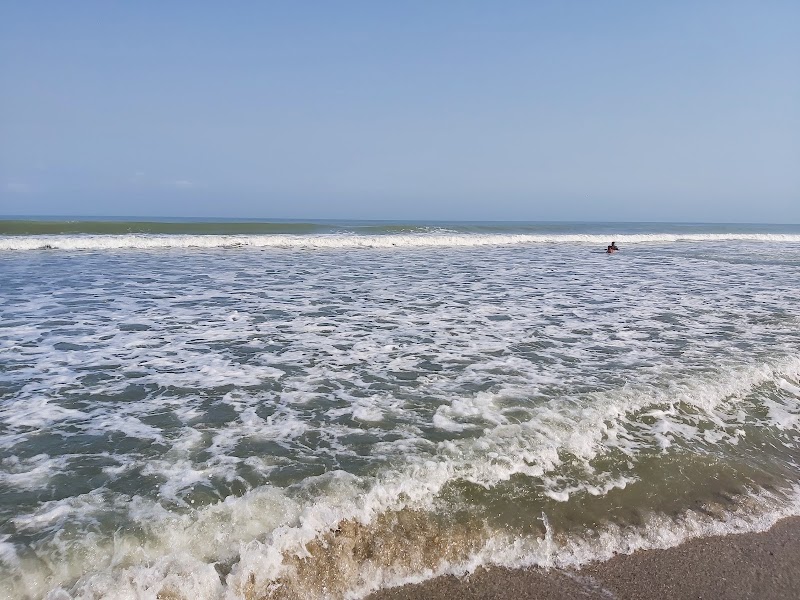
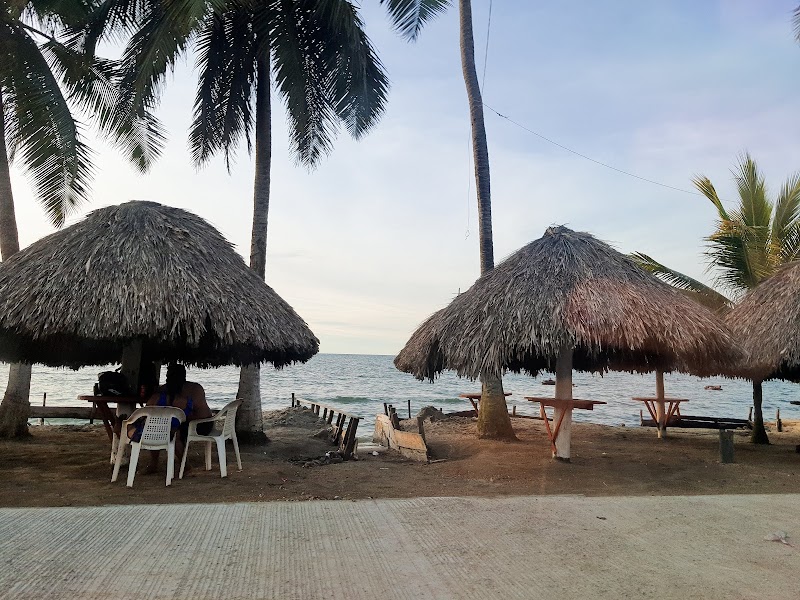
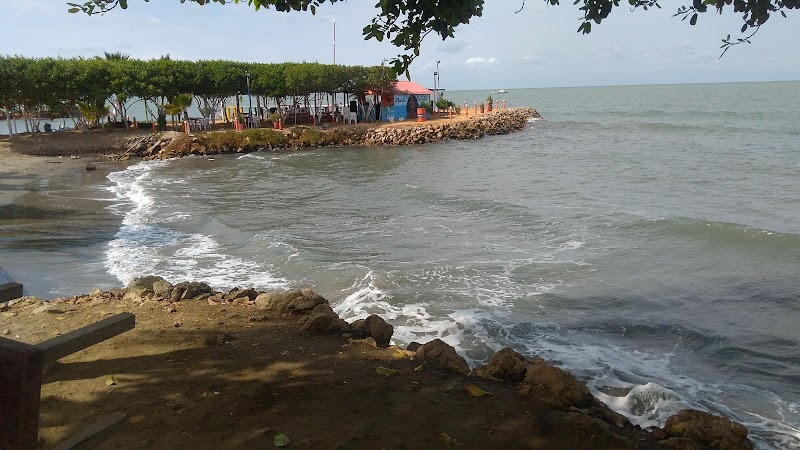
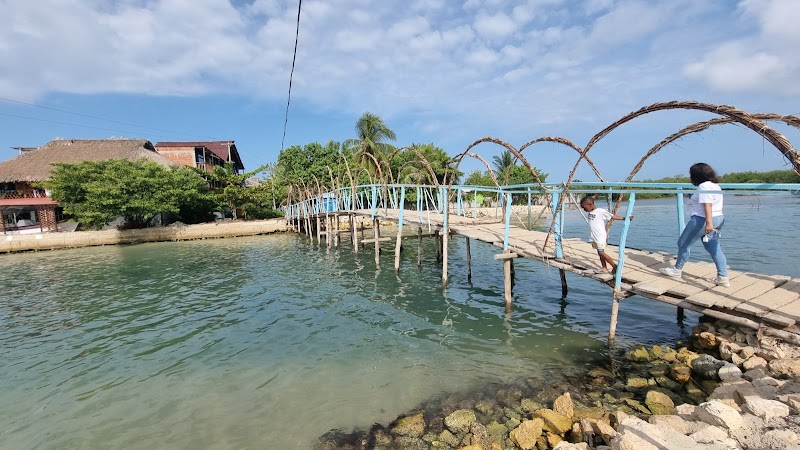
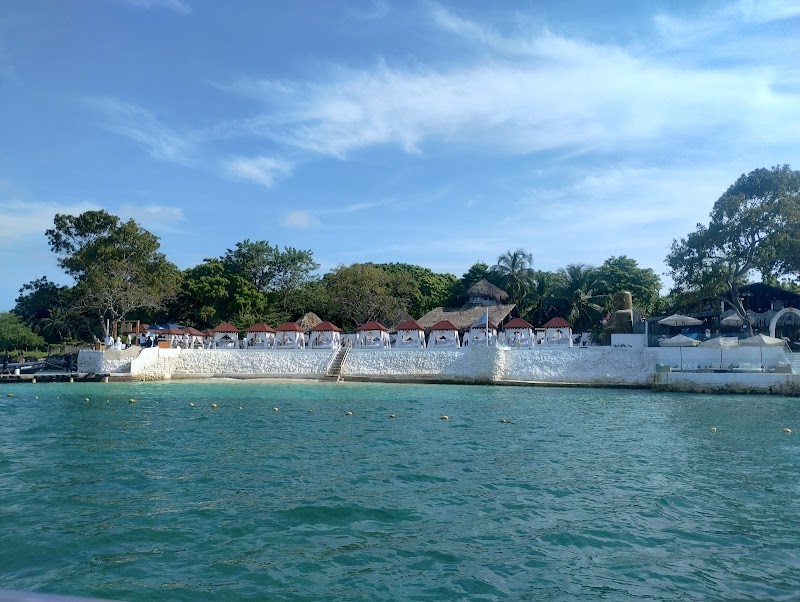
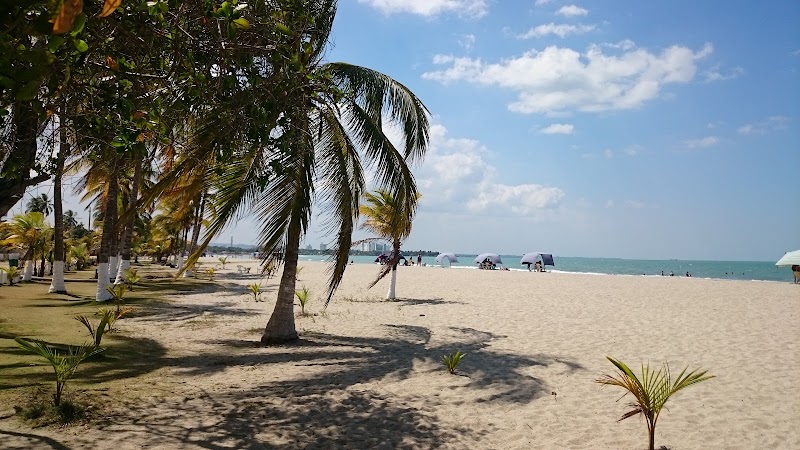
Second Cove Beaches, located in Coveñas, a coastal gem in Sucre, Colombia, offers an idyllic retreat along the Caribbean Sea. This stunning locale is renowned for its sweeping white sandy beaches, lined with gracefully swaying palm trees, providing a paradise-like setting that is both inviting and tranquil. The azure waters are perfect for swimming, with a gentle tide that is welcoming for both experienced swimmers and families alike. Unlike busier tourist spots, Second Cove Beach maintains an air of serene seclusion, making it a cherished spot for those seeking relaxation away from the crowds. This area is also rich in biodiversity; you might spot unique coastal flora and fauna while strolling along the shore. Historically, Coveñas has been known as an important port town, with a vibrant cultural tapestry adding to the allure of your beachside escape.
Adventure Guide
Adventure Guide To Second Cove Beaches, Coveñas
Beachfront Relaxation
- Location: Second Cove Beaches, Coveñas, Sucre, Colombia
- Special Features: Enjoy the tranquility of less crowded beaches with soft sand perfect for sunbathing or a leisurely stroll.
- Local Insights: This beach is perfect for families or individuals looking to unwind and escape the hustle of more tourist-heavy locations.
- Visitor Tips:
- Best Time to Visit: Early morning or late afternoon to avoid the peak sun.
- What to Bring: Sunscreen, hats, and beachwear.
- Directions: Around a 2-hour drive from Cartagena, accessible via public transportation or car.
Water Sports
- Special Features: Ideal for kayaking or snorkeling in the crystal-clear waters.
- Amenities: Local shops offer rentals and tours.
- Local Insights: The tranquil waters make it a beginner-friendly spot to try out various water sports.
- Visitor Tips:
- Best Time to Visit: Dry season (December to March) for calmer waters.
- What to Bring: Swimsuits, snorkeling gear, and a waterproof camera.
Ecotourism & Wildlife Watching
- Special Features: Spot local flora and fauna, including seabirds and marine life.
- Local Insights: Guided ecological tours offer insight into the region’s biodiversity.
- Visitor Tips:
- Best Time to Visit: Late afternoon when wildlife activity increases.
- What to Bring: Binoculars and a guidebook for regional flora and fauna.
Visitor Tips
- Best Times:Dry season (December to March) for favorable conditions and optimal lighting.
- What to Bring:Plenty of water, sun protection, a camera, and respectful Leave-No-Trace mindset.